


May is Mental Health Awareness Month, but in the Rio Grande Valley, mental health is not a once-a-year issue. It is essential infrastructure that must grow alongside our region.
Across Hidalgo County and surrounding communities, approximately one in five adults experiences a mental health condition. Yet many do not seek care due to stigma, cultural perceptions, language barriers, and limited access to services. As the region expands, these gaps are becoming more visible and more consequential.
The Rio Grande Valley is experiencing steady population growth, increased economic activity, and deeper cross-border connections with Mexico. Ours is a binational region where families, workers, and commerce move fluidly across communities. This interconnectedness is a strength, but it also means that health challenges including mental health do not exist in isolation. They affect workforce stability, educational outcomes, and community resilience on both sides of the border.
Like roads, ports, and utilities, mental health systems must be built to meet demand. Right now, they are not keeping pace.
South Texas continues to face high rates of poverty, gaps in insurance coverage, and a shortage of mental health professionals. In many rural and underserved areas, access to care is limited or delayed. For families navigating cross-border realities whether related to employment, transportation, or continuity of care these challenges can become even more complex.
The strain is especially evident among young people. Schools across the Valley report rising levels of anxiety, depression, and emotional distress. Educators and counselors are working to respond, often with limited resources. These students are the future workforce of the region, and their ability to succeed will depend in part on the support systems we build today.
If the Rio Grande Valley is to sustain its economic momentum and regional competitiveness, mental health must be treated as a core component of development not an afterthought.
This means investing in access to care, expanding the behavioral health workforce, and strengthening school-based mental health services. It also means ensuring that systems are responsive to the cultural and linguistic needs of the communities they serve.
Community awareness remains a critical piece of the solution. The 988 Suicide & Crisis Lifeline provides free, confidential, 24/7 support in both English and Spanish. Organizations like the National Alliance on Mental Illness South Texas Rio Grande Valley affiliate offer education, support groups, and advocacy for individuals and families. Local clinics, nonprofits, and school systems are working to expand access but they cannot meet the need alone.
Reducing stigma is equally important. When individuals feel safe seeking help, they are more likely to do so early before challenges escalate into crises that affect families, workplaces, and communities.
The Rio Grande Valley has an opportunity to lead by recognizing what mental health truly is: foundational infrastructure that supports a healthy workforce, strong families, and sustainable growth in a binational region.
As we recognize Mental Health Awareness Month, the path forward is clear. If we want our region to grow, our mental health systems must grow with it.
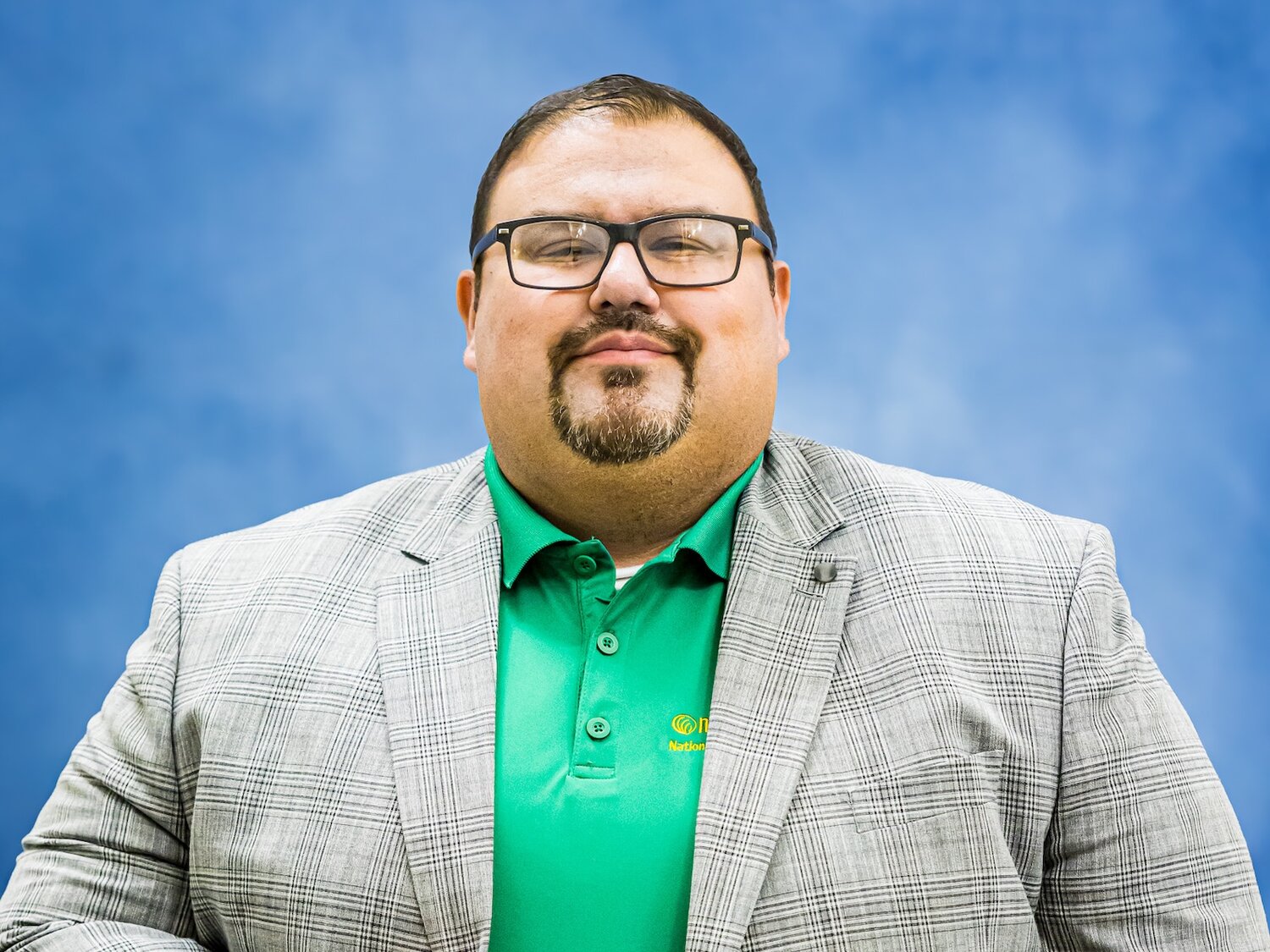
Editor’s Note: The above guest column was penned by Aaron Salinas, DNP, APRN, FNP-BC, PMHNP-BC, designate affiliate leader for the National Alliance on Mental Illness - South Texas Rio Grande Valley.


