


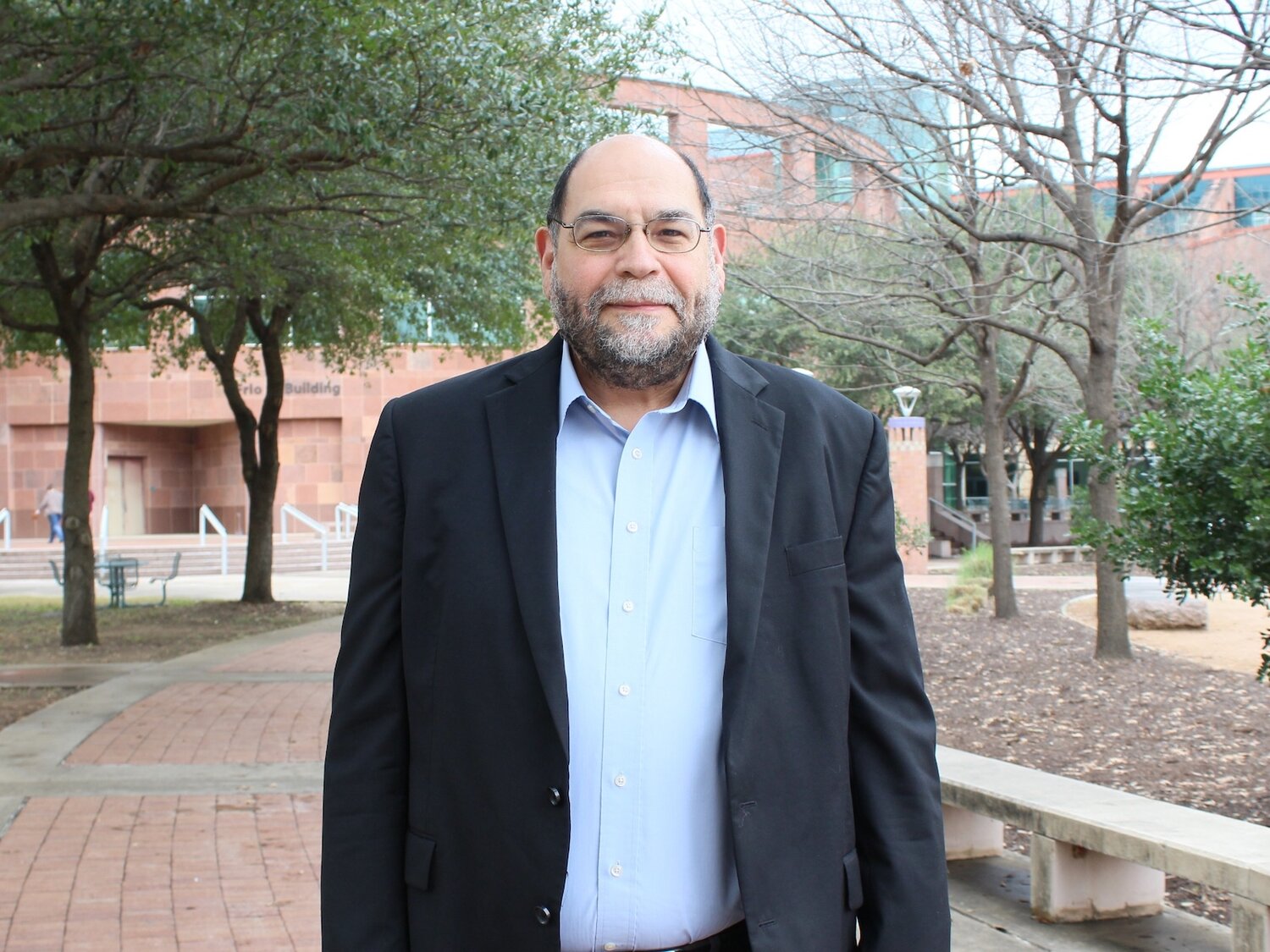
SAN ANTONIO, Texas - A San Antonio-based sociologist and demographer says a looming decline in the population of the United States “will carry monumental negative consequences throughout all of our institutions.”
Rogelio Sáenz, a professor in the department of demography at UT-San Antonio, voiced his concerns in a guest column for the American Academy of Political & Social Science. Sáenz was a 2023 Ernest W. Burgess Fellow for the AAPSS.
The column is titled: The Looming Decline of the U.S. Population. The opening paragraph reads:
“Throughout the history of the U.S., its population has never declined. But now, it is about to. With its mass deportation operation, the Trump administration is eliminating immigration growth as the nation’s most prominent component of population change.
As the U.S. population continues to grow older with fewer births and a net loss of immigrants, overall population decline is likely to follow. The consequences of this will be monumental and felt widely across the economy, in educational and religious institutions, and beyond.”
Sáenz notes that countries such as China, Japan, and Taiwan have seen their populations shrink whilst maintaing their economic standing. However, he takes the position that mass deportation in the U.S. “will have major negative impacts on the economy and beyond.
“Unlike some countries in Europe and East Asia where population decline was telegraphed well before it occurred, the impending decline in the U.S. has been a completely unanticipated, sudden jolt—not in declining births and rising deaths, but in the ouster of workers and consumers. Essentially, we are in uncharted territory,” Sáenz writes.
The opinion piece continues: “The departure of children, many born in this country, signifies the future absence of community members and will result in more school closures and fewer college students in the years to come. On the work front, the job growth rate between January and August 2025 was slightly more than half of that a year ago, with nearly 1.1 million fewer noncitizen workers. The loss of workers creates greater challenges to maintain a Social Security system that will see rising numbers of beneficiaries with fewer workers to support them.”
Sáenz provides readers with links to other op-eds, articles and editorials that support his view.
“In early June, the editorial board of The Wall Street Journal published an op-ed titled “The Economic Drain of Mass Deportation.” The editorial expresses concern over the impact of immigration declines on the GDP and concludes with a quote from the closing remarks of a report by the Federal Reserve Bank of Dallas: “There is good reason to be concerned that immigration policies that lead to a reduction in net unauthorized immigration relative to historical trends, all else equal, are likely to significantly lower real GDP growth relative to the counterfactual.” The Dallas Fed findings are consistent with those of an article published by the Brookings Institution and a working paper from the Peterson Institute for International Economics.”
Editor’s Note: Click here to read Rogelio Sáenz’s guest column for AAPSS.


