


Not long ago, strangers approaching castles or forts were asked, “Qui vive.” Who lives? The correct reply was, “Vive le roi.” The “Long live the king,” response pledged loyalty to the king.
This was the status quo ante in France and generally the world for millennia, until 1620 when a religious minority of immigrants left England – in protest – to colonial America.
Later in 1773, growing dissatisfaction with royal authority resulted in Colonists dressing-up as Natives and dumping imported tea into Boston Harbor – again in protest. Good times.
From its birth, the United States has been a nation of rebels, with a healthy distrust of government and an unyielding tradition of protest. Witness the litany of grievances against authority, against neighbors:
Women earned suffrage in 1920, but began their fight for political equality in Seneca Falls in 1848. In 1861, the South protested the election of Abraham Lincoln, fearing the empowerment of Abolitionists and increased federal authority.
During the Progressive Era workers protested to adopt laws improving workplace safety, eliminating child labor and creating the weekend. Radicals. In the 1920s, streets in Washington were filled with Klansmen donned in white sheets to hide as they protested against the Jews, the Blacks, the Catholics and them immigrants.
In 1965, Americans protested racial inequalities during the March from Selma to Montgomery. This march inspired farm workers in Starr County to march 300 miles to Austin in protest of low wages and poor working conditions in 1966.
Black Lives Matter (2013); Unite the Right Rally in Charlottsville (2017); January 6th (2020); Portland frogs (today); and No Kings. Americans will not stop.
In the end, some of these protests sought to expand freedoms; some to restrict them. Some were peaceful; many became violent and deadly. Some protests effected changes in attitudes, enactment of laws and creation (and reconstruction) of a nation. Others failed. The struggles, eternal.
We, the American people, have a fundamental right to worship as we like; to speak our minds freely; to assemble peacefully with our neighbors, friends, besties; and to ask our government to fix our problems. Now.
But these First Amendment rights are not absolute. Speech inciting imminent violence or lawless action is not protected. Acts of violence are morally wrong and criminal.
Also, we tend to forget that our rights have corresponding duties. We have a duty to speak against injustice and against hate. We must act responsibly and respectfully.
Every generation also has a duty to defend these rights, or risk losing them.
These freedoms are not vested in some of the people, but in all of the people. All. This requires us, all of us, the American people, to listen to others, to consider their grievances, to question assumptions and to think critically about solutions. It’s hard. It takes work and patience.
Qui vive? The answer is on our streets; it runs through our blood; it’s our gift to the world. Qui vive? America awaits an answer.
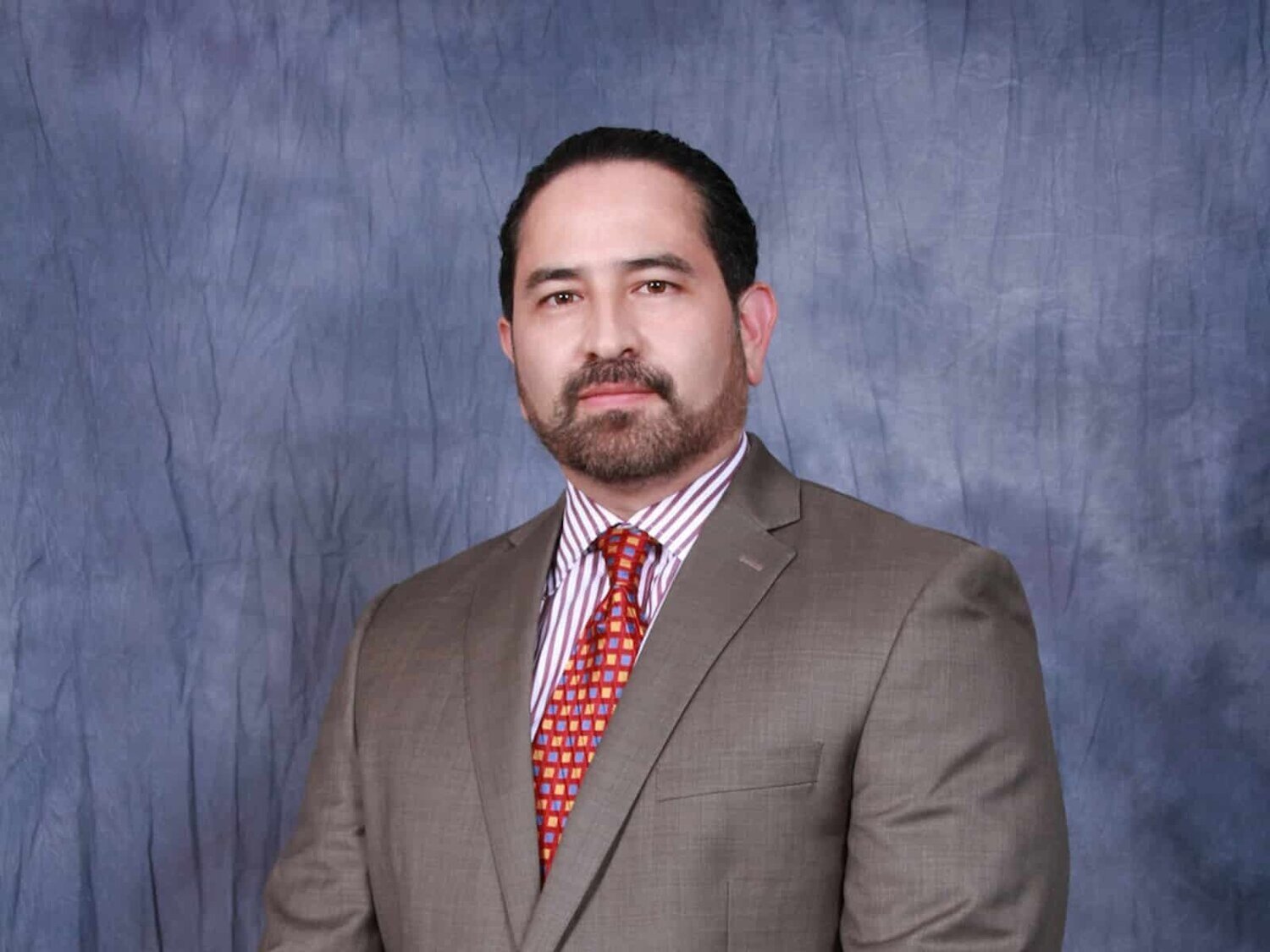
Editor’s Note: The above guest column was penned by Leonardo Olivares, a former city manager and Congressional staffer based in Weslaco, Texas.


