


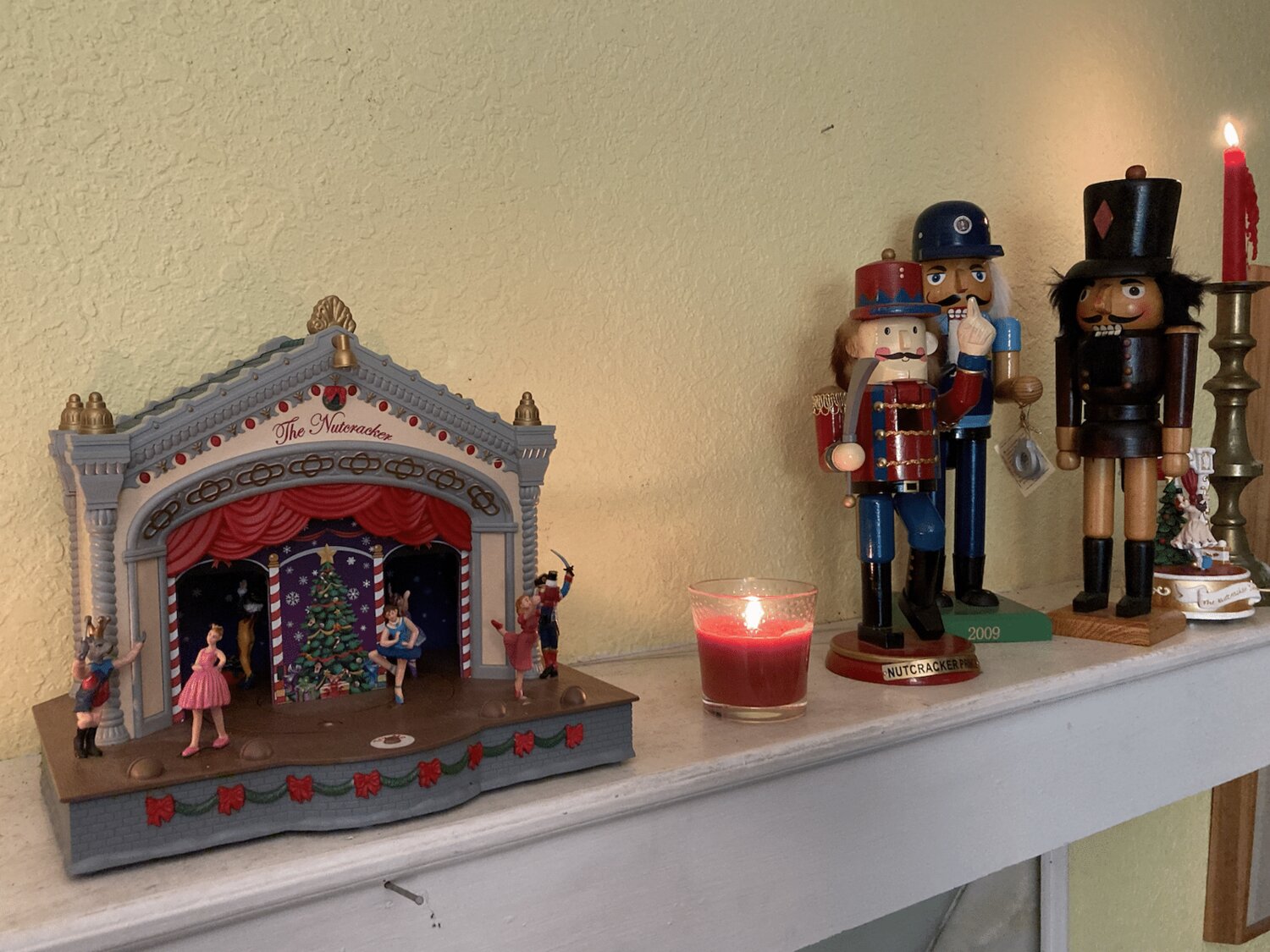
The “Nutcracker,” a Christmas classic! This important Christmas tradition is well worth repeating and reviewing. One does not have to go to New York City or Houston to see it. It is here, in the Rio Grande Valley.
You can experience (again?) this classic this coming Saturday, December 16, 1:00 p.m. or 5:00 p.m., or Sunday, December 17, 12 noon or 4:00 p.m., at Edinburg North High School Auditorium, Edinburg, Texas.
The Nutcracker, Op. 71, is an 1892, two-act classical ballet by Pyotr Ilyich Tchaikovsky (original choreography by Marius Petipa (ballet master, St. Peters burg Imperial Theatres), set on Christmas Eve at the foot of a Christmas tree in a child’s imagination. The plot is an adaptation of E. T. A. Hoffmann’s 1816 short story “The Nutcracker and the Mouse King.”
This Valley version is enacted by a troupe trained under the auspices of Dr. Francisco Guajardo and his family. He is a Valley treasure, a man of many talents: former professor at UTRGV; director of the Museum of South Texas History, Edinburg. Francisco and I alternated roles of “Father/King,” long ago, in McAllen, performing at the downtown theatre, our children dancing alongside us, in various roles— Russian “Cossacks,” Candy Canes, Soldiers, “Mice.” At one time, my own son and daughter as Prince and Sugar Plum Fairy; I was on stage, as “King,” my make-up running from the tears, but I couldn’t break out of the role.
Such good memories! Other established ballet schools led the way for many years—some readers will remember Doria Avila’s pioneering efforts. Melba’s continued the tradition. At one time, there were three competing performances. The McAllen Monitor referred to that era as “the War of the Nutcrackers!” For all who made the effort, such important training for these “Athletes on Stage.” The countless hours of rehearsal, the sacrifices of the parents, other members of their families and friends, add up to a financial as well as a cultural bonus for the Valley.
Moreover, the continual presentation of Nutcracker keeps an over 120 year tradition alive, the “Soldiers,” led by the Nutcracker himself, symbolizing (out of German lore) good luck, protection from malevolent spirits. (One version, I saw years ago, featured French troops as Soldiers, Pancho Villa’s troops—attired in sombreros and serapes—as the Mice.) In whatever version, literally, the sweat and tears shed in preparing, the seemingly endless nights of rehearsal, add up to a priceless gem of community unity and sharing.
That success is so much a part of the season’s meaning, present in Hanukkah and Christmas prayers, and in secular hopes for better days ahead. May the joy of dance and music provide us all inspiration and increased faith in possibilities of “peace and love” for the New Year!


