


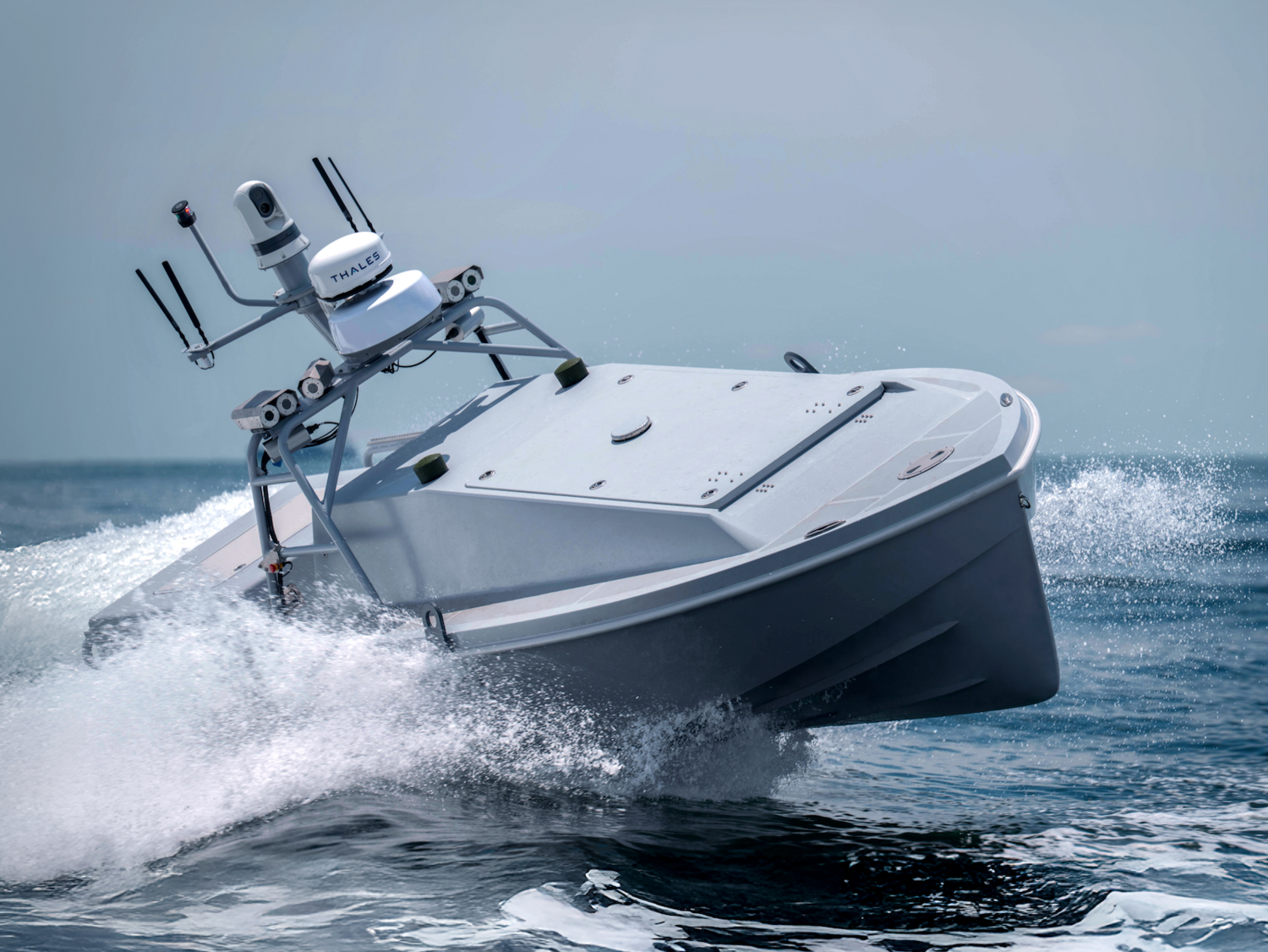
Three Saronic Corsairs struck Iran's submarine maintenance facility at Bandar Abbas on July 12. CENTCOM confirmed the following day: the first time American forces had deployed autonomous sea drones in combat. Four days later, Saronic announced Port Alpha in Brownsville.
You don't commit $3.2 billion to a greenfield shipyard until you know the platform works.
Port Alpha will span 835 acres at the Port of Brownsville, expandable to 4,400. It will manufacture vessels up to 850 feet long, potentially exceeding 1,200 feet at full buildout. Unlike Saronic's Louisiana facility, which was built around an existing yard, Port Alpha starts from scratch, designed around advanced manufacturing principles. Operations target 2028. Up to 10,000 direct jobs. $264.5 billion in projected Texas economic impact.
Why Texas? Port Brownsville has a combination most US ports can't replicate: deepwater Gulf of Mexico access, industrial acreage at the scale Port Alpha requires, an established manufacturing workforce, and a state government that actively recruits.

Texas has anchored the semiconductor supply chain (GlobalWafers in Sherman, Wistron in Fort Worth, Foxconn in Houston), led the US data center buildout, and now added the manufacturing home of autonomous naval warfare. Other states are winning projects. Texas is winning categories.
The Corsair is a 24-foot expendable system. Autonomous naval warfare at scale requires manufacturing volume that conventional shipbuilding never did. Port Alpha is purpose-built production infrastructure for a new doctrine of naval warfare. Congratulations to the Port of Brownsville and the entire Gulf Coast community. Texas earned this one.
Editor's Note: The above commentary was penned by Jacey Jetton, founder and CEO of Jetton Solutions and a former Texas State Representative. The commentary first appeared on the author's social media pages.


