


In 1949, a visionary group of women in Kansas City created the American Business Women’s Association, determined to support and promote growth opportunities for women across various professions. They set out to break barriers and advocate for equal rights and pay in the workplace, and this past Sunday, they celebrated the first American Business Women’s Day.
Women own more than 12 million businesses in the U.S., employing almost 9 million workers, according to the National Association of Women Business Owners. Those businesses generate $1.8 trillion in revenue — fueling economic growth and playing a crucial role in their communities.
While Texas leads the nation with nearly 1 million women-owned businesses, the path to entrepreneurship remains fraught with challenges for many, especially when it comes to securing financial backing. Access to capital remains one of the most significant barriers for women entrepreneurs, with traditional lending systems often failing to meet their needs.
In 2014, a local artist named Veronica Castillo landed a fellowship from the National Endowment for the Arts. Her work was featured in the Smithsonian, and she was making a name for herself in the world through her craft.
When she learned about the fellowship, she was excited to tell her friend Janie Barrera, founder of San Antonio-based Accion Texas, now known as LiftFund, one of the nation’s oldest and largest nonprofit microlenders.
With Castillo’s upward trajectory as an artist, Barrera encouraged her to keep pushing forward. So when Castillo told Barrera about her dreams of securing a workspace and teaching classes, Barrera told her it was time to start thinking like a business owner.
Castillo, like many women, was intimidated by the idea of starting a business. Women, particularly women of color, are disproportionately affected by the lack of financial resources and mentorship, making it harder to translate creative passion into sustainable business ventures. Barrera assured her it was possible and told her she needed two things — funding and a plan. But without stellar credit, Castillo said, that first step was difficult to take.
It’s not that she had bad credit. She just didn’t have enough for traditional lenders. It’s a problem familiar to many women across the country who haven’t had the chance to build credit as a financial head of a household. Research shows that women typically receive only a fraction of venture capital and loans as their male counterparts, making nonprofit lenders like LiftFund critical to closing the financing gap.
Castillo found the capital she needed through LiftFund’s Latina Loan Fund, established by actor and producer Eva Longoria.
The funding helped her buy equipment and gallery space, but hers wasn’t a traditional mom-and-pop shop. She also needed a business plan designed specifically for her, insisting that the art be separate from the business. So LiftFund helped Castillo devise all the moving parts she’d need for a successful studio. Her plan ensured she could have a steady business and keep her artistic integrity.
Castillo is a pillar in the San Antonio community — not only as an artist and business owner but also as a leader. When COVID-19 forced her studio to close, she pivoted, launching a home-renovation business and providing meals to displaced service industry workers.
And when the pandemic subsided, she went back to LiftFund for a 0% interest loan, through a partnership with the city of San Antonio, to get her studio back up and running. Today, her studio is thriving — not only creating new commissioned pieces but also renting gallery space to people in the community.
Supporting women in business goes so far beyond shopping local or sharing posts on social media. It’s about ensuring women have access to the resources and support they need to bring big ideas to fruition. It’s about connection through networking and breaking down barriers that, while not the giant roadblocks they once were, are still speed bumps that could slow down women.
Since those women leaders first gathered in Kansas City in 1949, there have been so many chips and cracks in the glass ceiling. As we look toward the next American Business Women’s Day, let’s seek ways to make one more crack. It may be the one that finally breaks through.
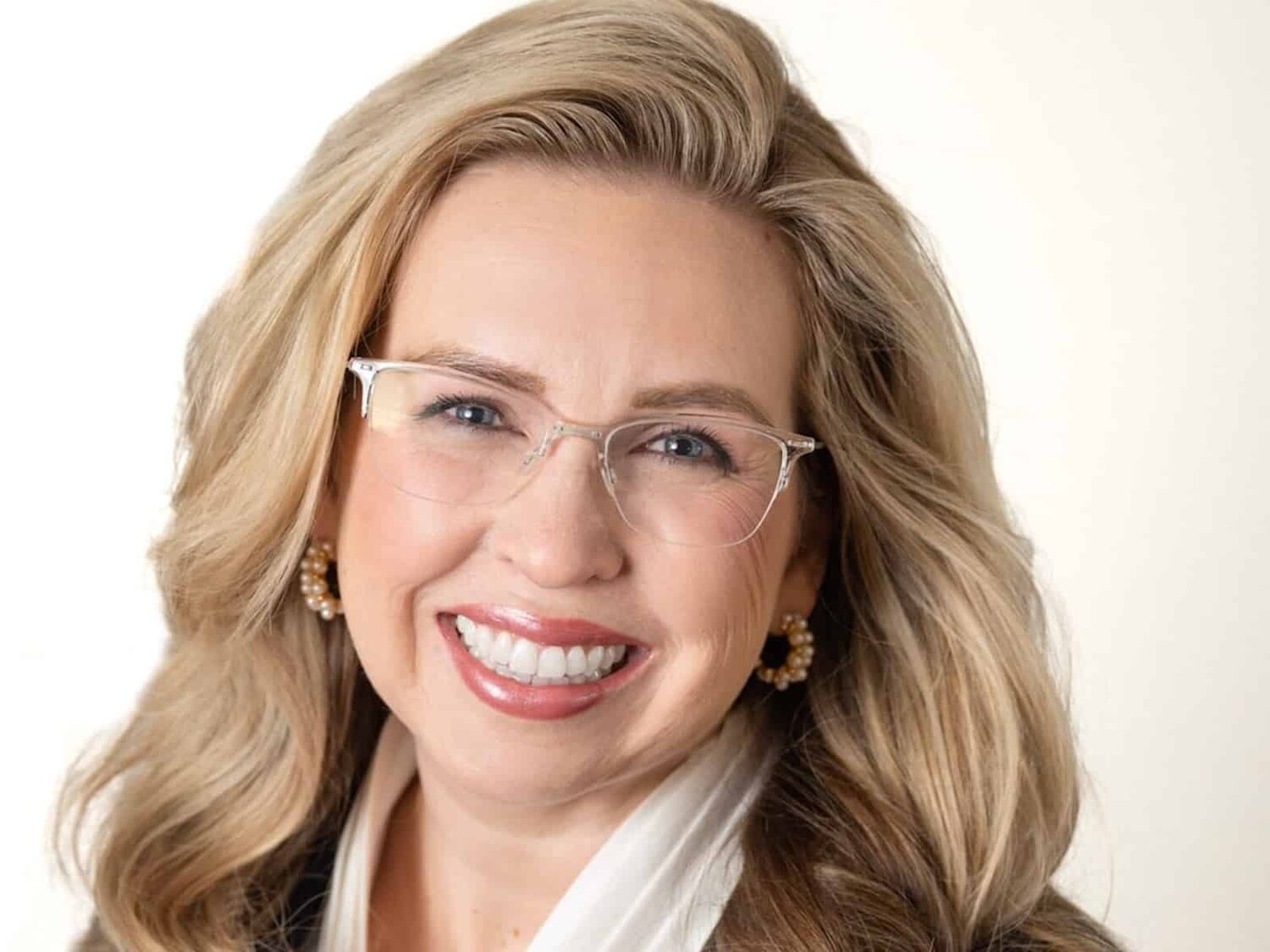
Editor’s Note: The above guest column was penned by Amy Hereford, CEO of LiftFund. The column appears in the Rio Grande Guardian with the permission of the author.


